
Cashmere Manufacturer in Italy Why International Brands Choose Italian Cashmere Production When fashion brands, boutiques, and concept stores search for a cashmere manufacturer in Italy, they are looking for much more than a supplier. They are looking for expertise,...
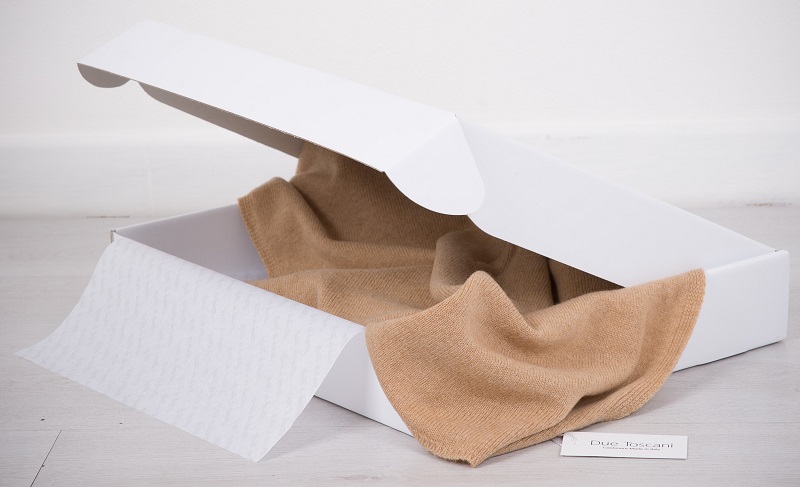
The right package to keep your cashmere garment
TO SAFELY STORE YOUR CASHMERE
Here is the right package
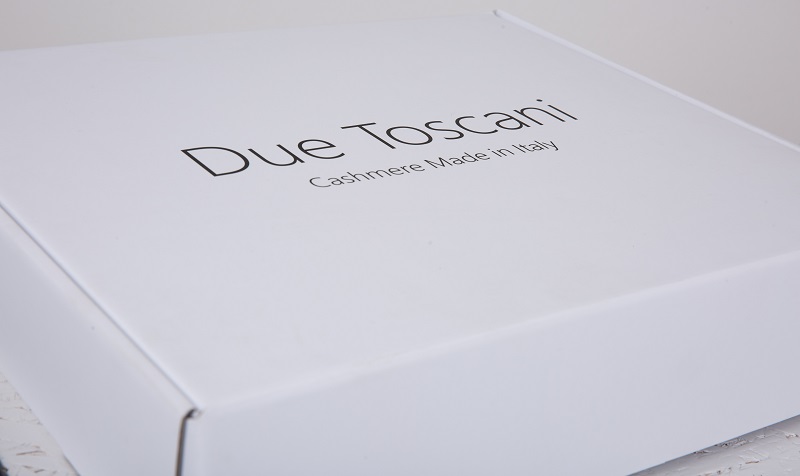
All our knitwear and accessories are delivered in their packaging, specifically designed to keep cashmere in all its glory. We have made these cardboard boxes in a breathable and natural material. The measures are 40 x 35 x 7 centimeters, so that the garment remains folded exactly as we want and without mistreatment. They are simple and bright, but very resistant to shocks and external agents: they will keep the item you bought for a long, long time.
We advise you to always put the garment in its box, even in summer, and keep it in a shaded and cool place: it will remain in perfect conditions.

Newsletter
Keep informed on the latest news
[mc4wp_form id="671"]
Why International Brands Choose Italian Cashmere Production
Why Choose Due Toscani?
More Than a Cashmere Manufacturer: Your Italian Partner for Premium Knitwear In today's premium knitwear market, choosing a manufacturer is about much more than buying garments. It means finding a partner capable of transforming your ideas into successful collections...
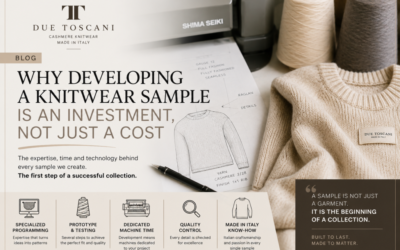
Why Developing a Knitwear Sample Is an Investment, Not Just a Cost
When a customer asks us to create a new knitwear style, the request often sounds very simple: "Can you make a sample?" The answer is almost always yes. However, behind that single garment lies a development process that requires highly specialized expertise, time,...
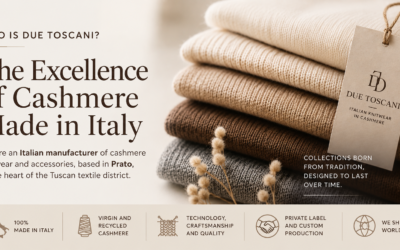
Who is Due Toscani?
Due Toscani is an Italian cashmere knitwear manufacturer based in Prato, Italy. We design and produce premium cashmere knitwear and accessories for boutiques, fashion brands, wholesalers and private label clients. Every collection is entirely Made in Italy using...
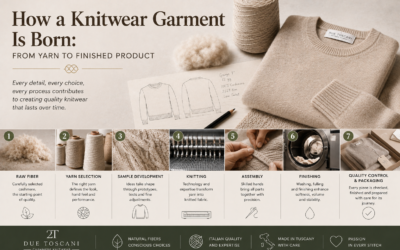
How a knitwear garment is created: from yarn to finished product
When a customer enters a store and picks up a cashmere sweater, they see the end result of a process that often seems simple. A soft, warm, elegant garment, ready to be worn. What they don't see is the long journey that transforms a fiber into a finished product, a...
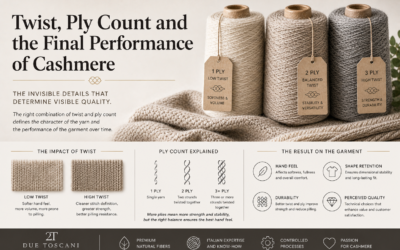
Twist, Ply Count and the Final Performance of Cashmere
In the world of cashmere knitwear, there are technical parameters that rarely reach the final customer, yet directly determine the quality, performance, and perception of the product. Among these, yarn twist and ply count are two fundamental elements, often...
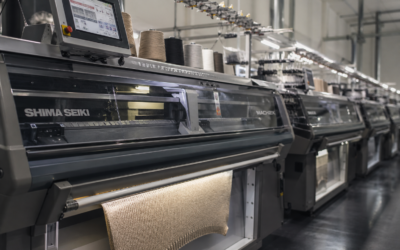
September seems far away, but it doesn’t wait
Every winter seems far away, until the day it suddenly arrives. And when it arrives, customers come into the store looking for exactly what they had in mind: warmth, quality, something that will last them all season. The problem is, by then, it's too late to decide....
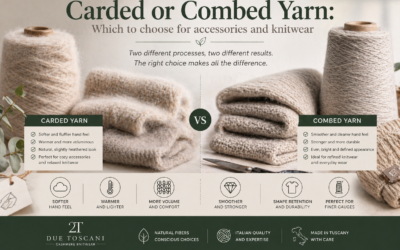
Carded vs Combed Yarn: Which to Choose for Accessories and Knitwear
In the world of knitwear, choosing the right yarn is always a crucial step, but there is one technical distinction that more than any other influences the final result: the difference between carded and combed yarn. This is not just a visual or superficial variation,...

Card vs. Cash Payments: Costs, Fees, and the Real Impact on Your Margin
There comes a moment in every business when you stop looking only at how much you sell… and you start asking yourself how much actually stays with you. At the beginning, you don’t think about it. A customer walks in, buys something, pays.Fifty euros. Everything feels...
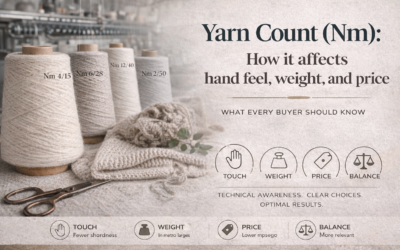
Yarn Count (Nm): How It Affects Hand Feel, Weight, and Price
In the world of knitwear, few elements are as technical—and as decisive—as the yarn count, expressed as Nm. It is a value that appears on every label, often overlooked or misunderstood, yet it represents one of the most important parameters for anyone buying,...
CONTACTS
Hircus Filati, via B. Tettamanti, 19A 59100 Prato - Italy
+39 366 1436 185 info@cashmere-madeinitaly.com


