
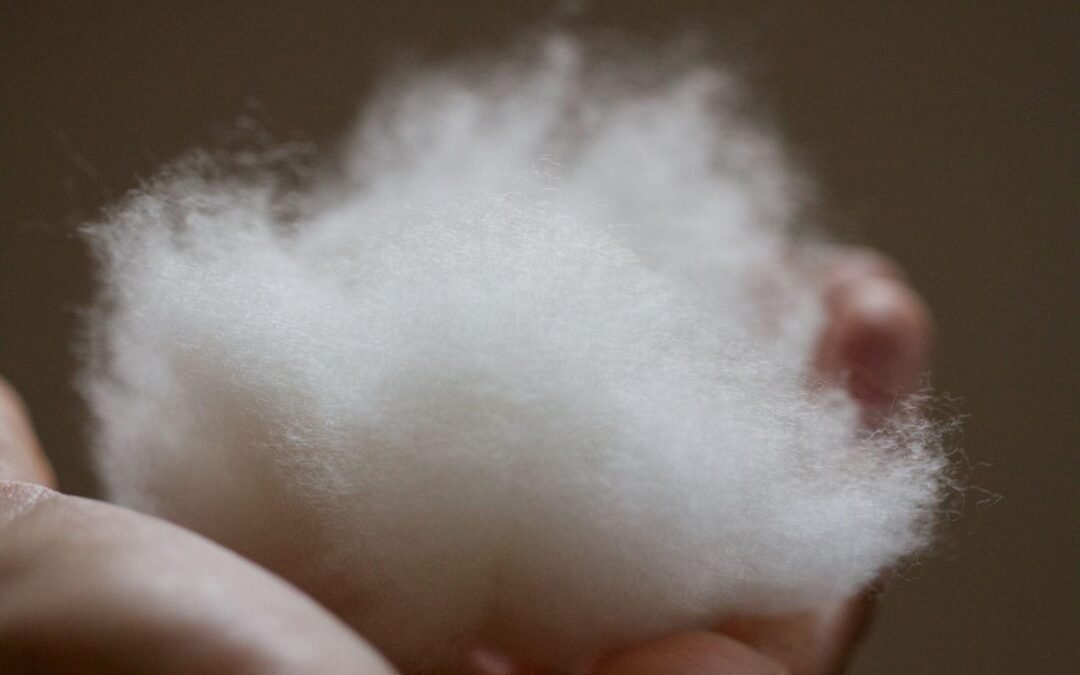
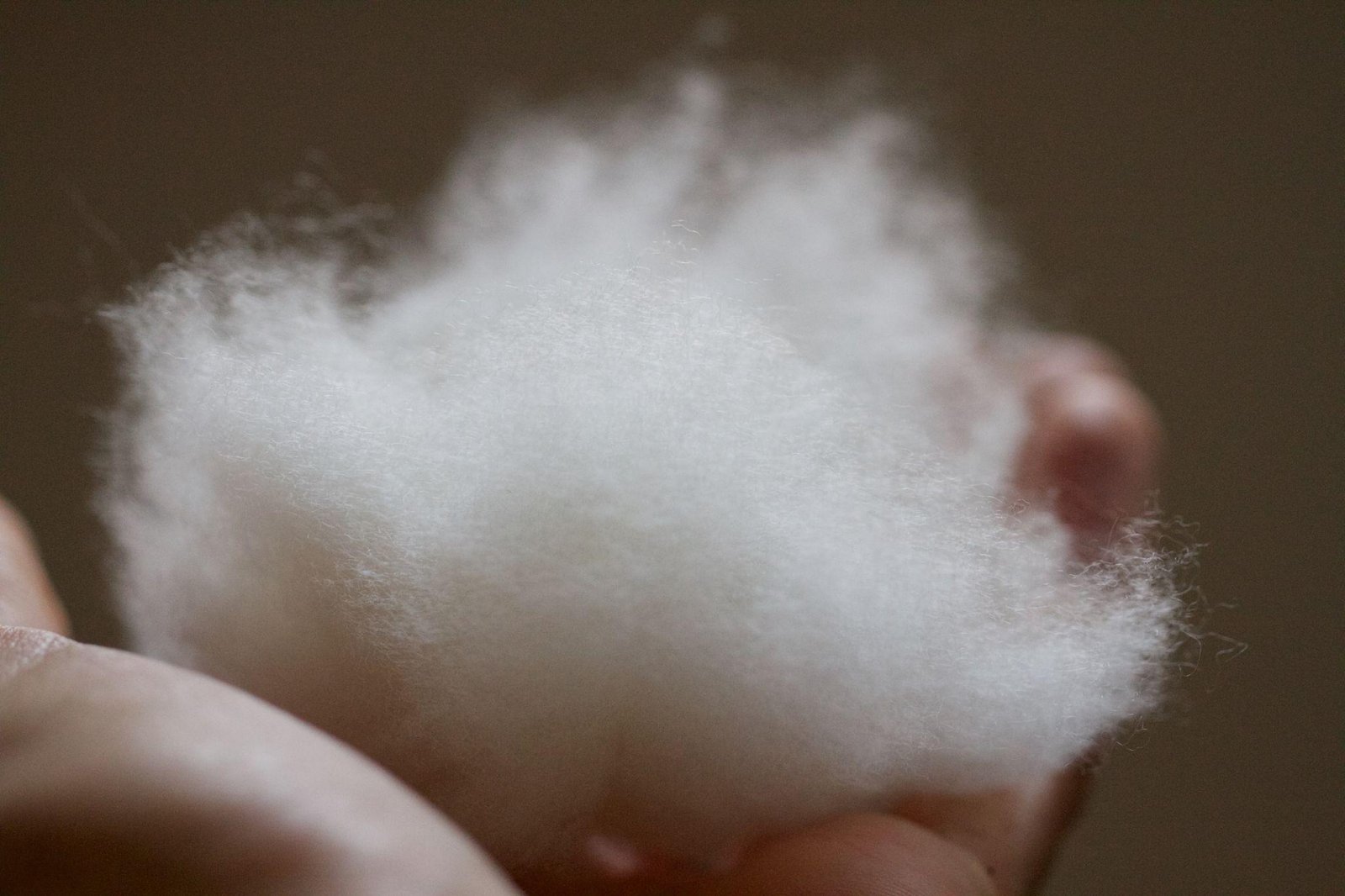
But for B2B clients – buyers, brands, design teams – the real difference lies in how the fiber is selected, processed, and transformed into yarn.
For Due Toscani, virgin cashmere is a noble raw material that requires technical expertise and precise choices throughout the supply chain.
Fiber Origin: Where Cashmere Comes From
Cashmere comes from the undercoat of the Capra Hircus goat, mainly raised in:
Mongolia
Inner China
parts of Iran and Afghanistan
The fiber is collected during the spring molting season, when goats naturally shed their undercoat.
👉 This is not simple wool harvesting, but a natural selection of a rare and extremely fine fiber.
Key Quality Factors
Not all cashmere is the same.
Its quality depends on three main factors:
1. Fineness (micron)
The finer the fiber:
the softer it is
the less it itches
the higher its value
2. Fiber length
Longer fibers:
perform better in processing
reduce pilling
improve durability
3. Natural color
Cashmere can be:
white
beige
brown
White is the most valuable due to its dyeing versatility.
From Fiber to Yarn: The Role of Italian Spinning Mills
Once collected and sorted, the fiber is processed in Italian spinning mills, one of the key strengths of Made in Italy.
Key steps include:
cleaning and dehairing
carding or combing
spinning
twisting
👉 This is where raw fiber becomes true knitting yarn.
Why Spinning Is Crucial
Two similar fibers can produce completely different yarns.
Spinning affects:
the hand feel
machine performance
long-term stability
behavior after washing
This makes spinning as important as fiber selection.
Due Toscani Selection Criteria
At Due Toscani, Italian spinning mills are selected based on real technical criteria:
consistency over time
performance in knitting
behavior after finishing
dye stability
batch consistency
👉 Every yarn is tested in production, not just evaluated visually.
Virgin Cashmere and Market Needs
In B2B, virgin cashmere must meet real demands:
price consistency
reliable replenishment
product stability
ease of processing
An excellent but unstable yarn becomes a risk.
A balanced yarn becomes a commercial asset.
The Value of Technical Knowledge
Many buyers focus on the final product.
But in cashmere, value is built at the yarn stage.
Understanding:
yarn count (Nm)
structure (plies, twist)
machine behavior
means:
better collection planning
fewer production issues
optimized costs and margins
The Due Toscani Approach
At Due Toscani, virgin cashmere is never a random choice.
It results from:
hands-on experience
real production testing
long-term relationships with Italian mills
integration with knitwear production
This ensures:
👉 consistent quality
👉 production reliability
👉 alignment between sample and bulk
Virgin cashmere is a remarkable but complex material.
Saying “100% cashmere” is not enough to guarantee quality.
Real value comes from:
fiber origin
spinning quality
technical expertise
And this is what creates products that truly last and support a premium positioning.