
Behind Every Knitwear Garment, There Are People, Not Just Machines From the customer's initial idea to the finished product: discover the professionals behind Made in Italy knitwear manufacturing. When we talk about knitwear manufacturing, we often think about...
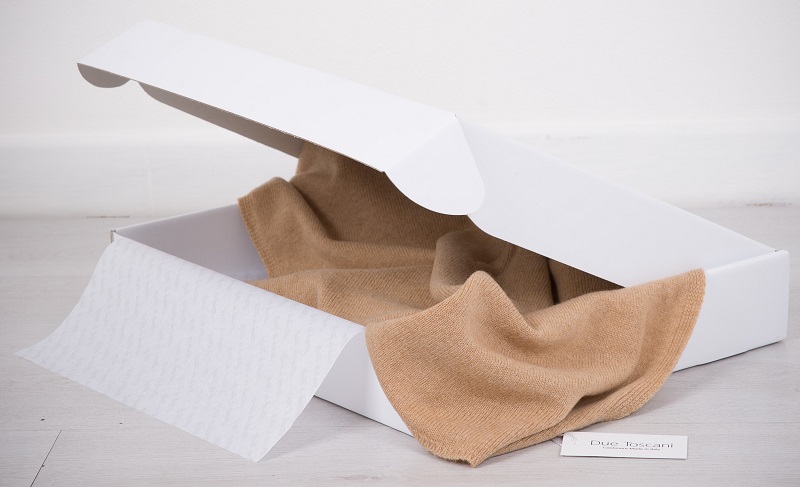
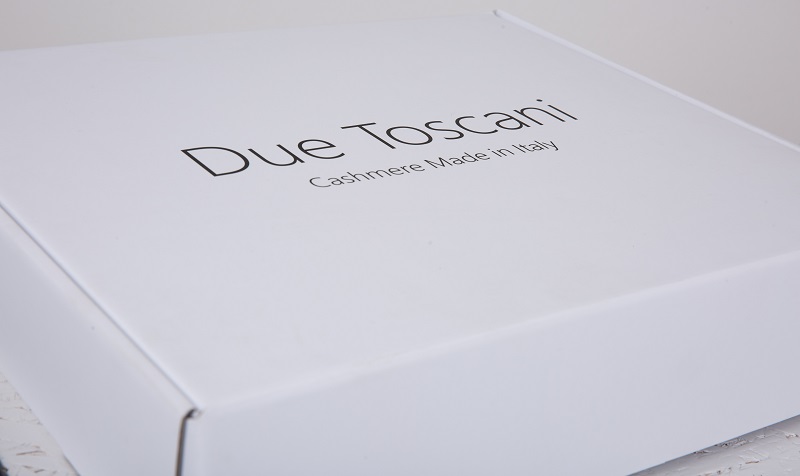
The right package to keep your cashmere garment
TO SAFELY STORE YOUR CASHMERE
Here is the right package
All our knitwear and accessories are delivered in their packaging, specifically designed to keep cashmere in all its glory. We have made these cardboard boxes in a breathable and natural material. The measures are 40 x 35 x 7 centimeters, so that the garment remains folded exactly as we want and without mistreatment. They are simple and bright, but very resistant to shocks and external agents: they will keep the item you bought for a long, long time.
We advise you to always put the garment in its box, even in summer, and keep it in a shaded and cool place: it will remain in perfect conditions.

Newsletter
Keep informed on the latest news
[mc4wp_form id="671"]
Behind Every Knitwear Garment, There Are People, Not Just Machines

Want to Create a Knitwear Brand? Either Choose the Manufacturer’s Styles or Invest in Samples
Creating a knitwear brand means creating products. And if you want to sell knitwear under your own brand, there is one fundamental decision you need to make before even discussing prices, quantities or production: Do you want to start with styles that have already...

How Is the Price of a Knitwear Product Calculated? Why Material and Weight Are Not Enough
One of the questions we receive most frequently from new clients and brands is: “How much does it cost to produce a cashmere sweater?” Or: “I would like to produce a 100% extrafine merino wool knitted sweatshirt weighing approximately 250–350 grams. What would the...

Made in Italy Cashmere and “Weddings with Dried Figs”
When you want a premium product without investing in a premium product There is an old Italian expression that perfectly describes a situation we sometimes encounter in our business: “Voler fare le nozze con i fichi secchi.” Literally, it means: “Wanting to have a...
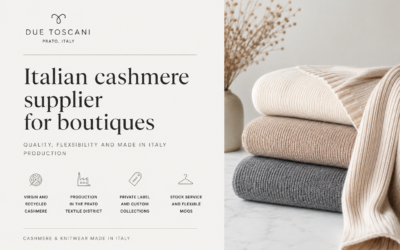
Italian Cashmere Supplier for Boutiques: How to Choose the Right Partner
For a boutique, choosing an Italian cashmere supplier is not simply about finding high-quality products to add to a collection. It means finding a partner capable of providing consistency, quality materials, flexible quantities and, above all, products that are...
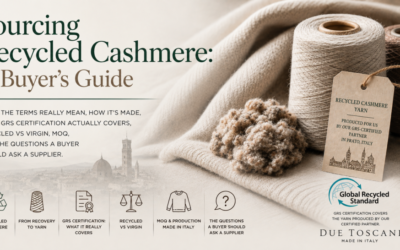
Sourcing Recycled Cashmere: A Buyer’s Guide
Recycled cashmere has become an increasingly interesting raw material for brands, boutiques, and fashion companies looking to combine the quality of cashmere with an approach focused on recovering and giving new value to existing resources. But sourcing recycled...
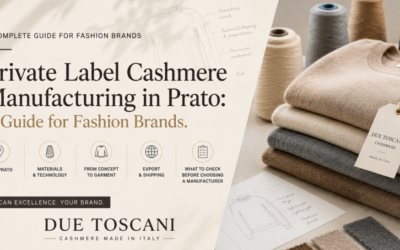
Private Label Cashmere Manufacturing in Prato: A Guide for Fashion Brands
For a fashion brand looking to develop its own cashmere knitwear collection, choosing the right manufacturer is one of the most important decisions to make. It is not simply about finding someone capable of producing a sweater: it means finding a partner who can...
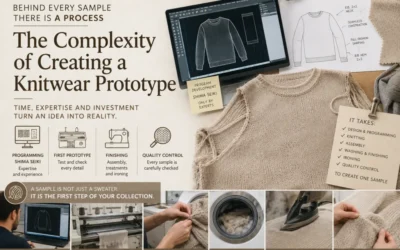
Why Developing a Knitwear Sample Requires Time, Expertise and Investment
"Can you make us a sample?" It is one of the questions we receive most frequently. Many people imagine that producing a sample simply means loading yarn onto a knitting machine and waiting for a sweater to come out. The reality is very different. When developing a new...
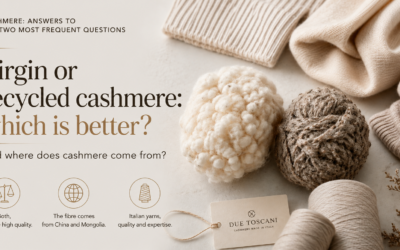
Virgin or Recycled Cashmere: Which Is Better? And Where Does Cashmere Come From?
There are two questions we have been receiving very frequently lately from customers, buyers, retailers and brands contacting us to develop their own collections: 1. Which is better: virgin cashmere or recycled cashmere? 2. Where does cashmere come from? These are two...
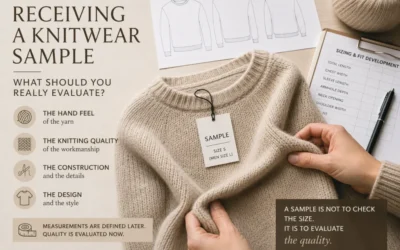
Receiving Your First Knitwear Sample: What Should You Really Evaluate?
A knitwear sample isn't used to check the fit. It's used to verify the product's quality. The fit can be customized later. Many of our new customers are developing their very first knitwear collection. It's perfectly normal that, when they receive their first sample,...
CONTACTS
Hircus Filati, via B. Tettamanti, 19A 59100 Prato - Italy
+39 366 1436 185 info@cashmere-madeinitaly.com


