Virgin Cashmere: Fiber Origin and Selection of the Best Italian Spinning Mills

Virgin Cashmere: Fiber Origin and Selection of the Best Italian Spinning Mills
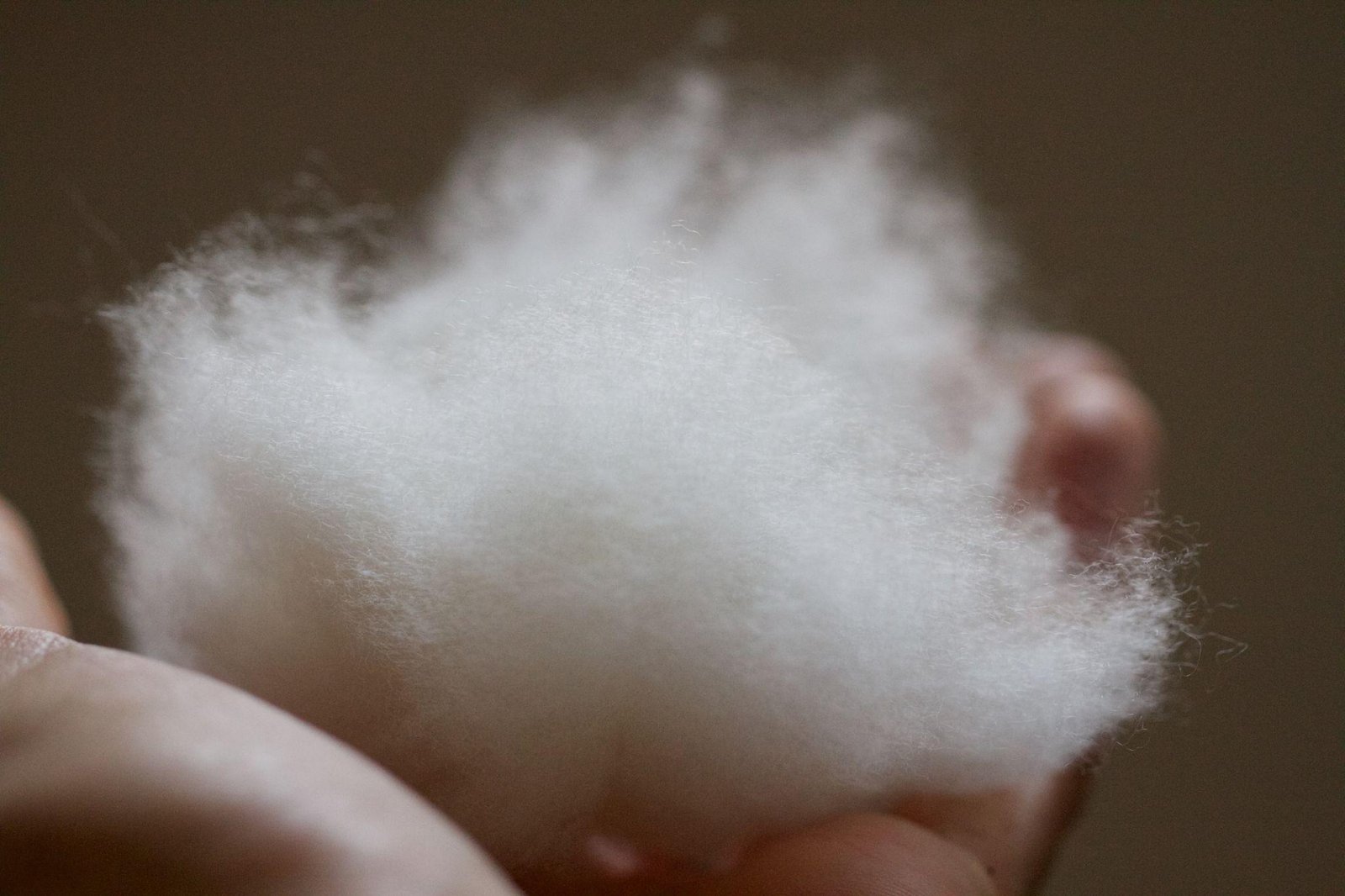
In high-end knitwear, cashmere is often described as a generic luxury material.
But for B2B clients – buyers, brands, design teams – the real difference lies in how the fiber is selected, processed, and transformed into yarn.

For Due Toscani, virgin cashmere is a noble raw material that requires technical expertise and precise choices throughout the supply chain.

Fiber Origin: Where Cashmere Comes From

Cashmere comes from the undercoat of the Capra Hircus goat, mainly raised in:

Mongolia
Inner China
parts of Iran and Afghanistan

The fiber is collected during the spring molting season, when goats naturally shed their undercoat.

👉 This is not simple wool harvesting, but a natural selection of a rare and extremely fine fiber.

Key Quality Factors

Not all cashmere is the same.
Its quality depends on three main factors:

1. Fineness (micron)

The finer the fiber:

the softer it is
the less it itches
the higher its value
2. Fiber length

Longer fibers:

perform better in processing
reduce pilling
improve durability
3. Natural color

Cashmere can be:

white
beige
brown

White is the most valuable due to its dyeing versatility.

From Fiber to Yarn: The Role of Italian Spinning Mills

Once collected and sorted, the fiber is processed in Italian spinning mills, one of the key strengths of Made in Italy.

Key steps include:

cleaning and dehairing
carding or combing
spinning
twisting

👉 This is where raw fiber becomes true knitting yarn.

Why Spinning Is Crucial

Two similar fibers can produce completely different yarns.

Spinning affects:

the hand feel
machine performance
long-term stability
behavior after washing

This makes spinning as important as fiber selection.

Due Toscani Selection Criteria

At Due Toscani, Italian spinning mills are selected based on real technical criteria:

consistency over time
performance in knitting
behavior after finishing
dye stability
batch consistency

👉 Every yarn is tested in production, not just evaluated visually.

Virgin Cashmere and Market Needs

In B2B, virgin cashmere must meet real demands:

price consistency
reliable replenishment
product stability
ease of processing

An excellent but unstable yarn becomes a risk.
A balanced yarn becomes a commercial asset.

The Value of Technical Knowledge

Many buyers focus on the final product.
But in cashmere, value is built at the yarn stage.

Understanding:

yarn count (Nm)
structure (plies, twist)
machine behavior

means:

better collection planning
fewer production issues
optimized costs and margins
The Due Toscani Approach

At Due Toscani, virgin cashmere is never a random choice.

It results from:

hands-on experience
real production testing
long-term relationships with Italian mills
integration with knitwear production

This ensures:
👉 consistent quality
👉 production reliability
👉 alignment between sample and bulk

Virgin cashmere is a remarkable but complex material.
Saying “100% cashmere” is not enough to guarantee quality.

Real value comes from:

fiber origin
spinning quality
technical expertise

And this is what creates products that truly last and support a premium positioning.
Why Prato Is Still One of Europe’s Textile Hearts

Why Prato Is Still One of Europe’s Textile Hearts

In today’s global textile industry, dominated by outsourcing and mass production, only a few regions have maintained a strong, recognizable, and competitive identity.
Among them, Prato stands out as one of Europe’s most important textile hubs.

For B2B clients – buyers, brands, distributors – understanding this district means understanding where real value is created.

For Due Toscani, Prato is not just a location, but a complete industrial ecosystem.

A Unique Textile District in Europe

Prato is one of the few places in Europe where the entire textile supply chain is still present within a limited geographic area.

This includes:

fiber sorting and selection
textile recycling
spinning
dyeing
knitwear production
finishing

This concentration allows one key advantage:
👉 drastically reduced production times and complexity

The Strength of a Short Supply Chain

In globalized systems, production is often spread across multiple countries, leading to:

longer lead times
loss of control
communication issues

In Prato, a short supply chain enables:

faster sampling
immediate adjustments
direct quality control
more reliable delivery times

For a buyer, this means less risk and greater responsiveness.

Know-how That Cannot Be Replicated

The real strength of Prato lies in its people.

Decades of experience have created:

deep knowledge of yarns (especially complex ones like recycled cashmere)
the ability to adapt processes
real-time problem solving

This is not standardized production, but manufacturing intelligence.

Innovation Meets Tradition

Prato is not just about tradition.

The district has evolved by integrating:

advanced electronic knitting machines
quality control technologies
more sustainable processes
development of new yarns, including recycled ones

👉 This balance between tradition and innovation keeps Prato competitive.

A Global Leader in Textile Recycling

Prato is internationally recognized for its expertise in textile recycling.

In cashmere, this means:

recovering high-quality raw materials
reducing environmental impact
creating new yarns with specific characteristics

For companies like Due Toscani, this is not a trend, but a core specialization.

Why Prato Matters for B2B Clients

Working with a Prato-based manufacturer means access to:

a complete and integrated supply chain
faster development timelines
higher flexibility
technical expertise difficult to find elsewhere

This is not just geography – it is a strategic advantage.

The Due Toscani Approach

Being part of the Prato district allows Due Toscani to:

work with selected local partners
maintain direct control over production
develop yarns and products consistently
offer a reliable system to B2B clients

This translates into:
👉 consistent quality
👉 direct communication
👉 real adaptability

Beyond Production

Prato is not just a production site.
It is a place where:

ideas are developed
materials are tested
relationships are built

And this is what transforms a product into a long-term project.

Artisan vs Industrial Production: Real Differences for a Buyer

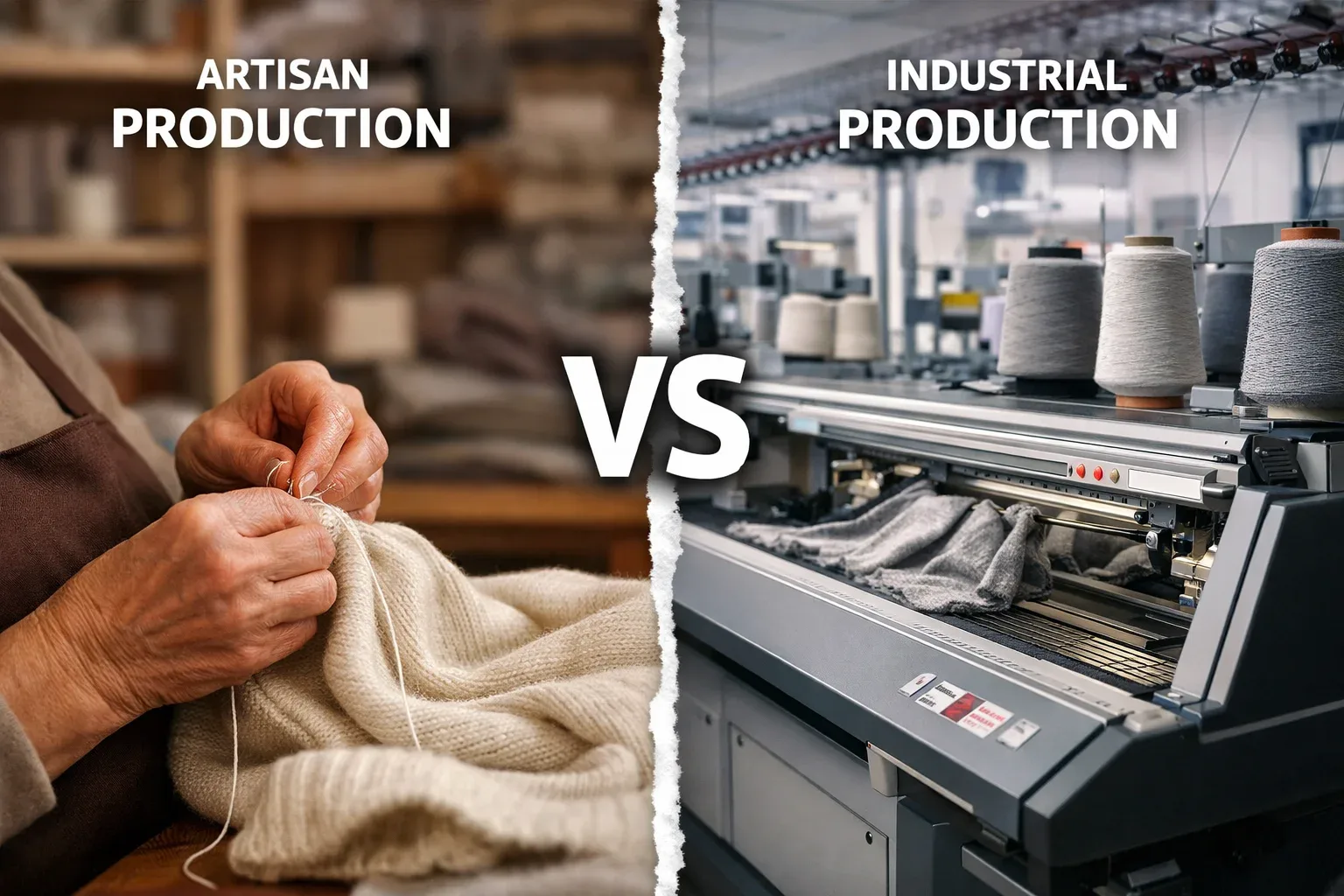
Artisan versus industrial cashmere knitwear production
In the cashmere knitwear industry, one of the most misunderstood topics – especially in B2B – is the difference between artisan and industrial production.

These terms are often used as marketing tools.
But for a buyer, distributor, or design team, the real question is:
which production model ensures quality, consistency, and long-term profitability?

For Due Toscani, the answer is not “artisan or industrial,” but how craftsmanship and industrial structure are combined.

What “Artisan” Really Means

True artisan production is based on:

hands-on technical skills
low-volume production
direct human intervention
attention to detail

In cashmere, this means:

manual finishing
piece-by-piece inspection
ability to adjust during production

👉 Strength: perceived quality, uniqueness, flexibility
👉 Limit: difficult to scale and standardize

What “Industrial” Really Means

Industrial production is often associated with:

large volumes
automation
standardization
cost optimization

However, in high-quality knitwear, industrial does not mean low quality.

A well-structured industrial system includes:

advanced electronic knitting machines
controlled processes
repeatable results
systematic quality control

👉 Strength: consistency, reliability, capacity
👉 Limit: rigidity if not supported by real expertise

The Real Issue: Oversimplification

The market often reduces everything to:

“artisan = high quality”
“industrial = low quality”

This is misleading.

The truth is:

there is poor artisan production
there is excellent industrial production

For a buyer, the difference lies in process control.

What B2B Buyers Should Really Evaluate

When selecting a cashmere manufacturer, focus on:

1. Production control

Who manages the process?

2. Quality consistency

Can the sample be replicated?

3. Flexibility

Can the producer adapt designs and yarns?

4. Lead times and reliability

Are timelines realistic and consistent?

5. Technical expertise

Does the producer truly understand cashmere?

Integration: The Real Value

In high-end cashmere, the most effective model combines:

industrial structure → consistency
artisan expertise → quality

This is where true competitive advantage lies.

The Due Toscani Approach

At Due Toscani, production is neither purely artisan nor purely industrial.

It is an integrated system combining:

electronic knitting machines
direct control over each stage
manual intervention where needed
deep knowledge of yarns (especially recycled cashmere)

This allows:

consistent quality
flexibility for B2B projects
real adaptation to client needs
Why This Matters

For a buyer, choosing between artisan and industrial is not aesthetic – it is strategic.

A product must:

sell
be replenished
maintain consistent standards
support brand positioning

Only a balanced production system can deliver all of this.

In cashmere, the real difference is not between artisan and industrial.
It is between:

those who control the process
and those who don’t

And that is where true value is created.

The Prato Textile District: tradition, innovation, and authentic value

The Prato Textile District: tradition, innovation, and authentic value

In the heart of Tuscany, between Florence and Pistoia, there is a unique place: the Prato textile district. This is not just a manufacturing area. It is a living ecosystem of skills, history, families, and knowledge passed down through generations.

For over a century, fibers have been transformed here into yarns, fabrics, and garments sold all over the world.

This is also where our story begins.

A tradition still alive today

Prato is globally known for its ability to transform raw materials into high-quality products, with a strong focus on recycling and sustainability.

The historical figure of the “rag trader” perfectly represents this mindset: recover, select, regenerate.

At Due Toscani, we are part of this tradition. We don’t just tell it — we live it every day.

What we do

We produce knitwear made of cashmere and fine fibers, entirely developed in the Prato district.

Each product is the result of:

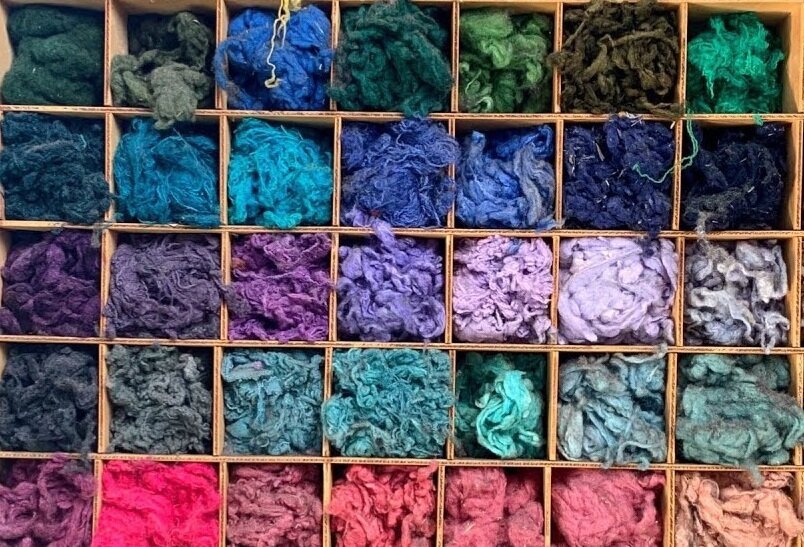
carefully selected yarns, often regenerated
advanced knitting technologies
strict quality control throughout the process

Our collections are designed for modern retail: essential, versatile, timeless garments.

How we do it

Our process is simple, transparent, and deeply local.

Yarn selection
We use cashmere and fine fibers, often regenerated, combining quality and sustainability.
Design
We create garments that sell: modern fits, refined colors, clean lines.
Local production
We work with trusted local manufacturers using advanced knitting machines (Shima technology).
Quality control
Each piece is checked to ensure consistent high standards.

In short: we know exactly what you are selling in your store.

Why choose Due Toscani for your store
1. Products that sell

Our garments are designed to perform in retail: easy to present, easy to wear, easy to reorder.

2. Real quality

Cashmere and fine fibers made in Prato. Not just a claim — a real production fact.

3. Authentic Made in Italy

We produce locally. No outsourcing. Full control, reliability, and strong perceived value.

4. B2B flexibility

Start small, test the market, reorder quickly.

5. Short supply chain

No unnecessary intermediaries. Better margins for you.

Passion above everything

Behind every garment, there is something you cannot replicate: passion.

Passion for yarn.
Passion for knitwear.
Passion for doing things properly.

That’s the difference between a simple product and one your customer will choose to wear.

Make a different choice

Choosing Due Toscani means choosing:

authenticity
transparency
quality
a reliable partner

If you are looking for cashmere knitwear and fine fibers for your store, you are in the right place.

How a sweater is made: the knitting process

How a sweater is made: the knitting process

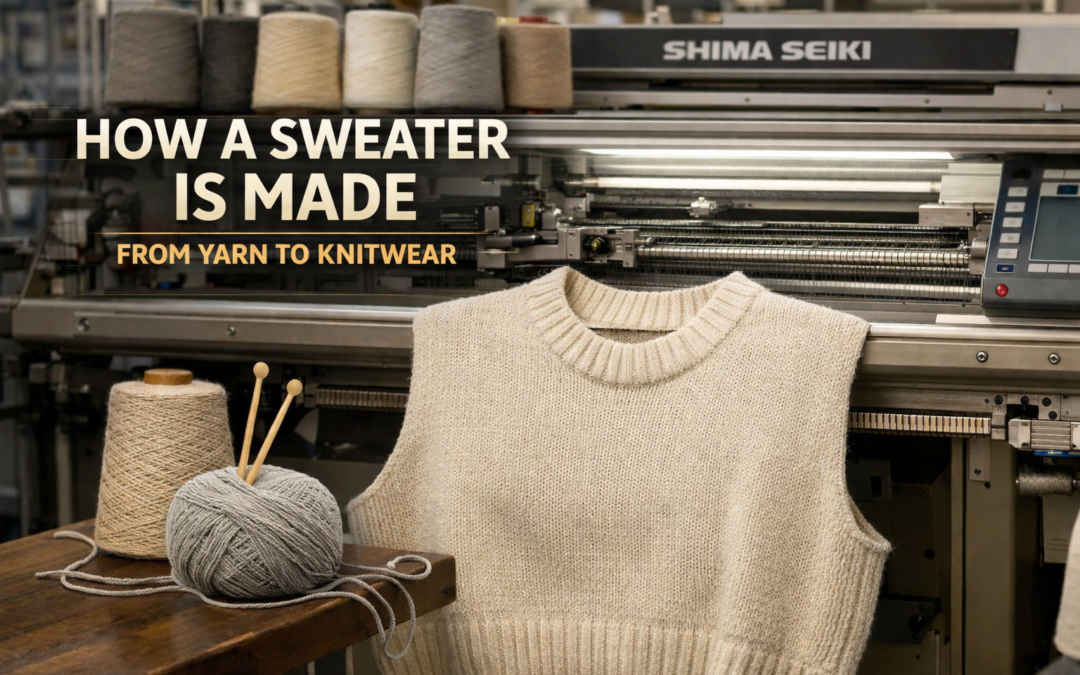
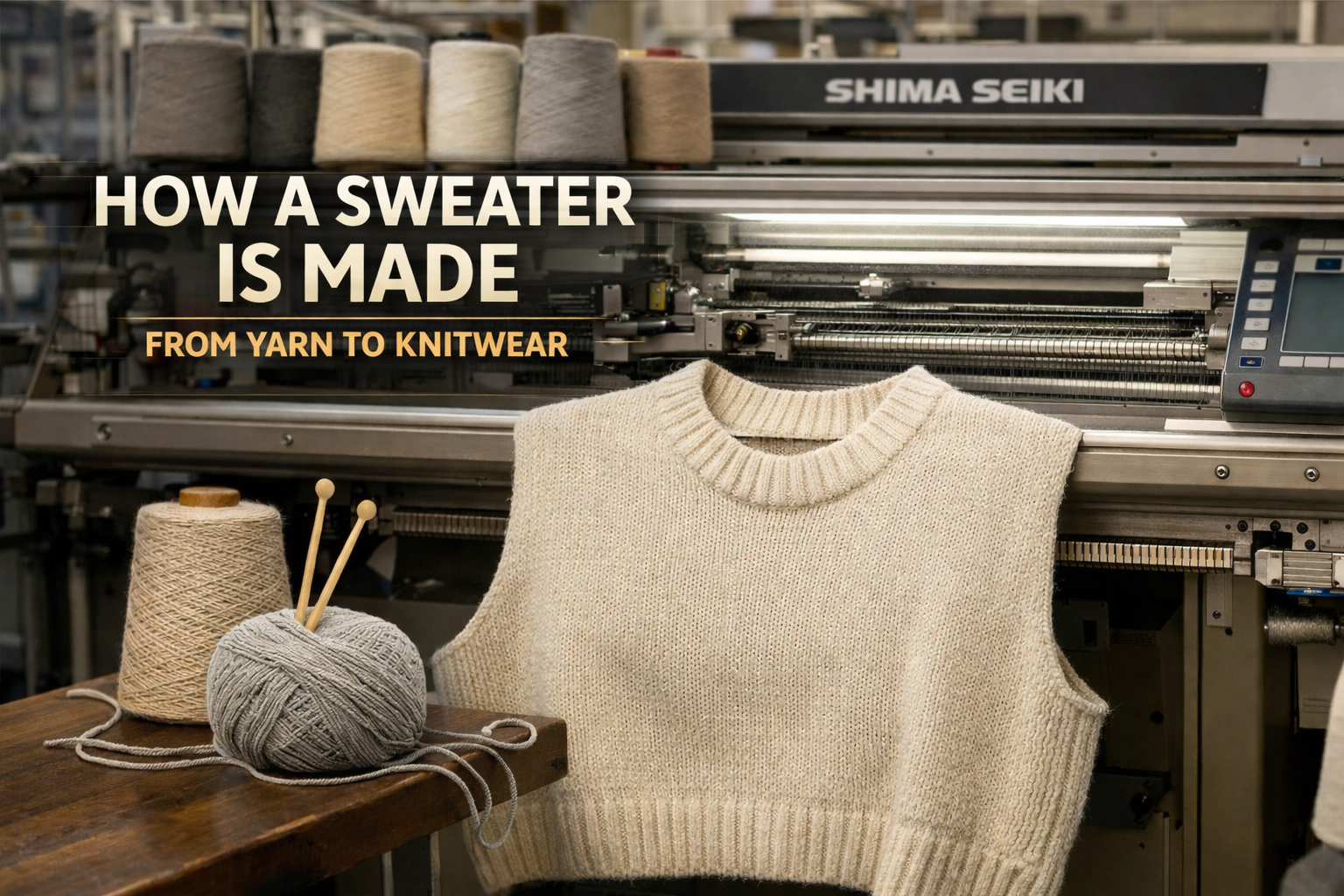
When we wear a cashmere or fine wool sweater, we often imagine it being sewn like a shirt or jacket. In reality, knitwear isn't created by sewing, but by a completely different process: the garment is constructed directly with the yarn, stitch by stitch.

In the Prato textile district, where Due Toscani is based, much of the quality knitwear is made with electronic knitting machines, such as those produced by the Japanese company Shima Seiki, a world leader in industrial knitting technology.

Let's see together how a sweater is created on these machines.

The first fundamental element is the yarn.

We mainly use:

cashmere

merino wool

recycled cashmere.

The yarn arrives in bobbins or cones, which are positioned behind the knitting machine.

From here, the yarn is guided through tensioners and feeders, which perfectly regulate the tension to ensure a uniform fabric.

Yarn quality is crucial:
a good yarn means more regular stitches, greater softness, and a longer-lasting garment.

Before production begins, the sweater is designed on a computer.

Special software defines:

the shape of the garment

the size

the type of stitch

any details or finishes

The program is then sent to the machine, which automatically executes the process.

The machine processes the yarn using hundreds of needles that form the stitches.

Each needle picks up the yarn and creates a stitch that intertwines with the others, forming the fabric.

This way, the various parts of the garment are created, such as:

front

back

sleeves

Each piece comes out of the machine already shaped like the pattern.

Once all the pieces are produced, they are joined together.

This process is called linking and allows the different parts of the sweater to be connected while maintaining the typical elasticity of knitwear.

The final stage is finishing.

The garment is washed, dried, and finished to achieve its final feel—the softness and appearance found in the finished product.

Knitting is a fascinating process: a simple thread creates a three-dimensional garment, constructed stitch by stitch thanks to the technology of modern machinery and the experience of the people who work in the sector.

It is this balance between technology, quality yarns, and traditional craftsmanship that allows for the creation of authentic knitwear, like that produced in Tuscany.